

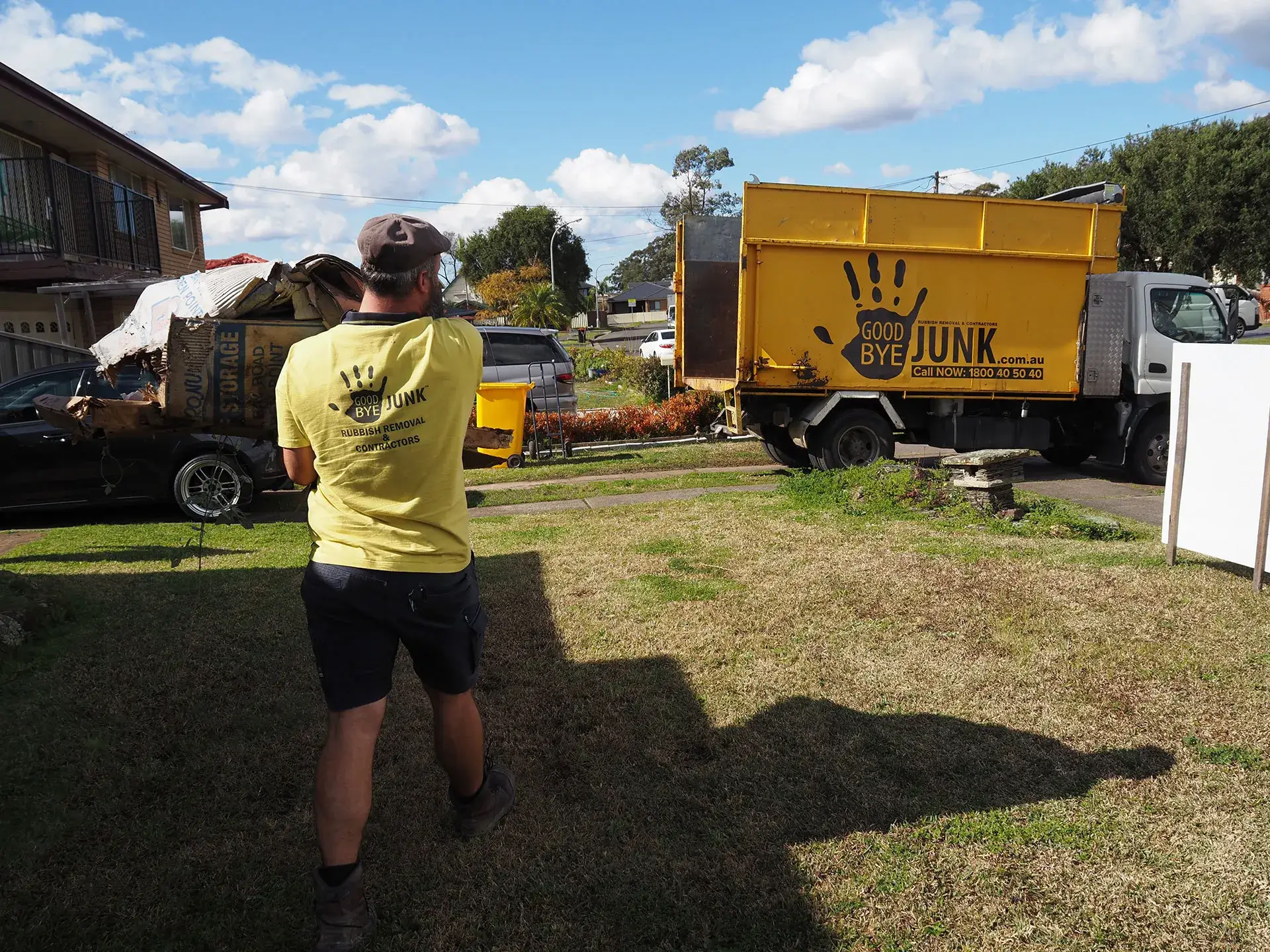
What happens next depends on the job size, site access, council rules, and what the client wants done with the mulch and timber.
What waste is created during a tree chipper service visit?
A tree chipper service typically produces three main waste types: woodchips (mulch), larger timber sections, and leafy green waste. The mix varies with species, moisture content, and whether the job includes pruning or full removals.
They may also generate minor waste like twine, straps, or contaminated material if the site has rubbish caught in branches.
Why is the waste chipped on site rather than removed whole?
Chipping reduces volume fast, which makes handling safer and cheaper. A tree chipper service can turn a bulky pile of limbs into manageable mulch, often reducing multiple trailer loads into a small mound.
It also helps crews keep streets, driveways, and nature strips clearer during the job, which matters in tighter Australian suburban blocks.
What happens to the woodchips right after chipping?
Right after a tree chipper service finishes chipping, woodchips are usually left in a tidy pile on site or blown into a truck. The immediate next step is decided by the client agreement and practical constraints like space and access.
If the client wants chips removed, they are loaded and taken away. If not, they are often kept for reuse on the property.
Do they leave mulch on the property, and when is that useful?
Yes, they can leave mulch if the client requests it and there is room. Many households keep chips from a tree chipper service because they are useful in garden beds, around trees, or as a temporary ground cover on bare soil.
Mulch can help reduce evaporation and suppress weeds in many Australian gardens, particularly through hotter months.
When do they take the chips away instead?
They usually remove chips when the client does not want them, there is no suitable space, or the volume is too large to keep on site. A professional tree chipping service may also take chips away when the material is unsuitable for mulch, such as when it contains contaminants.
Some sites, like small courtyards or townhouse complexes, simply cannot store a chip pile without blocking access.
Where do removed woodchips go in Australia?
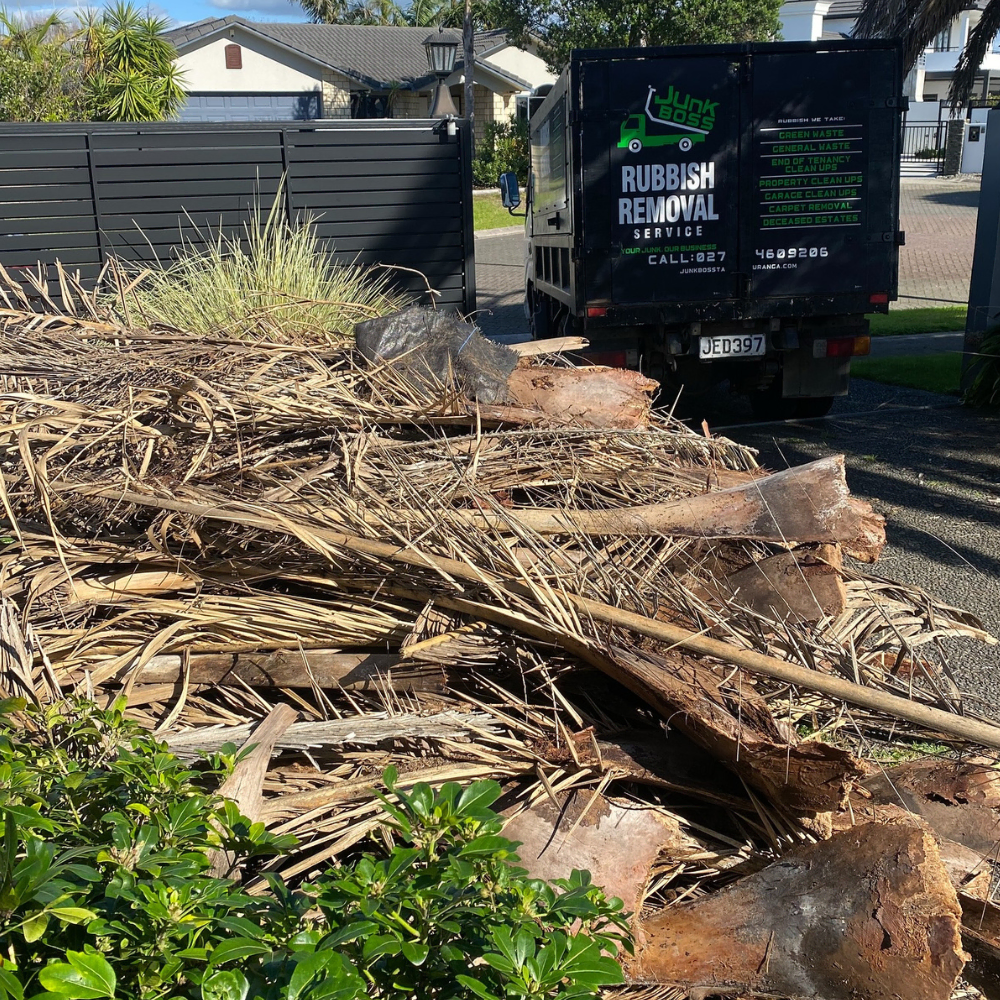
Removed chips commonly go to green waste facilities, licensed resource recovery centres, or commercial composting sites. A tree chipper service may also deliver clean chips to local landscaping yards or mulch suppliers, depending on arrangements and proximity.
In many areas, facilities accept load types differently, so crews sort and transport based on what each facility allows.
Are the chips ever used for composting or soil products?
Yes, clean chips are frequently used as a feedstock for composting and blended soil products. A tree chipper service might supply material that ends up processed into compost, mulch blends, or soil conditioners sold through landscape suppliers.
This is more likely when chips are relatively consistent, free of rubbish, and not heavily contaminated with soil or stones.
What happens to larger timber that will not fit in the chipper?
Large limbs and trunk sections are usually cut into manageable rounds or lengths, then handled separately. Some timber is taken away for disposal, while higher-quality logs may be set aside for reuse if the client wants it.
On some jobs, they may split timber for easier handling, especially if it must be moved through narrow side access.
Is any timber kept for firewood, and what affects that choice?
Sometimes, but it depends on the species, moisture, and the client’s setup. Dense hardwoods can be suitable for firewood, but they still need seasoning time, and many suburban homes do not have storage space.
If the client asks, crews may leave cut rounds neatly stacked. Otherwise, they often remove them with the rest of the load.
Can any of the waste be recycled into timber products?
Occasionally, yes, but it is not guaranteed. Straight, clean logs may be suitable for milling, and some clients arrange their own salvaging for slabs or feature timber.
Most tree chipper service work involves mixed sizes and shapes, so the easiest path is chipping and green waste processing rather than bespoke timber recycling.
What happens to leaves, small twigs, and soft green material?
Fine green material is typically chipped with branches, or it is bundled into green waste loads. At facilities, it is usually composted or mulched, then screened and processed into saleable products.
If the job includes palms, they may handle fronds differently because they can be stringy and behave differently in some chippers and compost streams.
How do they manage contamination like dirt, rocks, or rubbish in branches?
They try to remove contamination before feeding material into the machine. Dirt and rocks blunt blades quickly, and rubbish can create safety risks or cause a load to be rejected at a facility.
A careful tree chipper service will shake out soil, cut away tangled wire or plastic, and keep suspect material separate so it can be disposed of correctly.
Do council rules affect where the waste can go?
Yes, council and state rules can affect transport, facility acceptance, and what can be left on site. Some councils have specific green waste guidelines, while facilities may have strict load inspection rules.
They will usually choose the nearest compliant option, especially in metro areas like Sydney, Melbourne, Brisbane, Perth, and Adelaide where facility rules can vary by operator.
Are there biosecurity or pest risks with moving wood and mulch?
There can be, depending on region and the type of vegetation. Some areas have restrictions or best-practice guidance around moving plant material, particularly if a pest, disease, or invasive species is suspected.
If there is any concern, a tree chipper service may recommend removal to an approved facility rather than reusing chips on site.
What if the tree was diseased or had fungal problems?
If disease is suspected, they may avoid leaving chips for garden reuse. Some diseases can persist in plant material, and spreading mulch around the same property may not be ideal.
In these cases, they may transport waste to a facility that can process it appropriately, or advise the client on safer disposal pathways that suit local Australian conditions.
How do they decide what is “clean green waste” versus general waste?
Clean green waste is plant-only material with minimal soil, no building waste, and no household rubbish. General waste includes anything contaminated or non-organic, like plastic, treated timber, metal, or mixed demolition debris.
A tree chipper service typically keeps these streams separate because disposal costs and legal requirements differ.
Do they ever dump waste illegally?
Reputable operators do not, and clients should avoid anyone who suggests it. Illegal dumping can attract serious penalties in Australia, and it creates environmental harm and clean-up costs for the community.
If clients want reassurance, they can ask where loads are taken and whether tipping fees are included in the quote.
What should clients ask for before the work starts?
They should ask what happens to chips, logs, and leftover debris and confirm the arrangements in writing where possible. It is also useful to ask whether removal is included, how many loads are expected, and whether facility fees apply when arranging tree branches removal near power lines.
For clarity, they can ask the tree chipper service to specify whether chips will be left on site, removed, or split between both.
What does a “full clean-up” usually include after chipping?
A full clean-up usually means raking and blowing down hard surfaces, collecting stray twigs, and leaving the area tidy. It may also include hauling away chips and logs if that is part of the agreement.
They may still leave some fine debris in garden beds, particularly if the client has requested chips be used as mulch.
How can clients make the waste outcome better on the day?
They can point out preferred mulch areas, set aside a space for log stacking, and keep access clear for trucks. If they want chips removed, they can ensure there is room for safe loading and turning.
Clear expectations help a tree chipper service avoid rehandling material, which saves time and reduces mess.
What is the simplest summary of what happens to waste after a tree chipper service visit?
After a tree chipper service visit, waste is usually chipped, sorted, then either reused on site as mulch or taken to Australian green waste and resource recovery facilities. Larger timber may be removed, left as firewood, or occasionally salvaged if the client arranges it.
In most cases, the “waste” becomes a reusable resource, as long as it is kept clean and handled responsibly.
FAQs (Frequently Asked Questions)
What types of waste are generated during a tree chipper service?
A tree chipper service typically produces three main waste types: woodchips (mulch), larger timber sections, and leafy green waste. The mix varies depending on species, moisture content, and whether the job involves pruning or full removals. Minor wastes like twine, straps, or contaminated materials may also be present if rubbish is caught in branches.
Why is tree waste chipped on site instead of being removed whole?
Chipping on site significantly reduces the volume of tree waste, making handling safer and more cost-effective. It transforms bulky limbs into manageable mulch piles, often reducing multiple trailer loads into a small mound. This also helps keep streets, driveways, and nature strips clear during the job, which is especially important in tight Australian suburban blocks.
What happens to woodchips immediately after chipping during a tree chipper service?
After chipping, woodchips are usually left in a tidy pile on site or blown into a truck. The next steps depend on client agreements and practical constraints such as space and access. If removal is requested, chips are loaded and taken away; otherwise, they are often retained for reuse on the property.
When do tree chipper services leave mulch on the property and why is it useful?
Mulch is left on the property when clients request it and there is sufficient space. Many households find chips beneficial for garden beds, around trees, or as temporary ground cover on bare soil. Mulch helps reduce evaporation and suppress weeds, which is particularly valuable in Australian gardens during hotter months.
Where do removed woodchips go in Australia after a tree chipper service?
Removed woodchips commonly go to green waste facilities, licensed resource recovery centres, or commercial composting sites. Depending on arrangements and proximity, chips may also be delivered to local landscaping yards or mulch suppliers. Crews sort and transport materials based on facility acceptance criteria.
How do council rules affect the disposal and handling of tree chipper service waste?
Council and state regulations influence transport options, facility acceptance policies, and what can be left onsite. Some councils have specific green waste guidelines while facilities enforce strict load inspections. Tree chipper services select the nearest compliant options, particularly in metropolitan areas like Sydney, Melbourne, Brisbane, Perth, and Adelaide where rules vary by operator.