

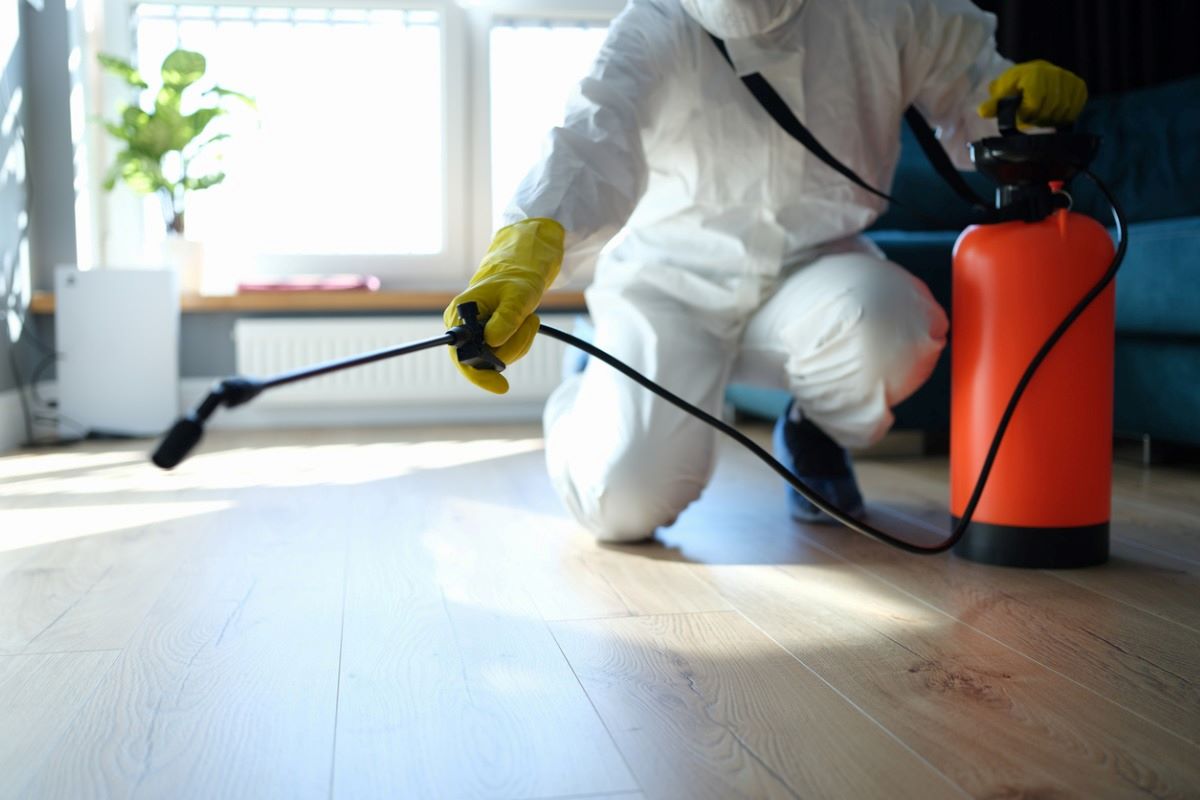
Pests are part of life in the Blue Mountains, from cockroaches in kitchens to termites in older timber homes. Yet many households still make decisions based on hearsay, not evidence, and that can turn a small issue into an expensive one.
This guide unpacks the most common misconceptions locals repeat, and what’s actually true for pest control Blue Mountains homes and businesses.
Is it true that they only need pest control when they can see pests?
No. By the time pests are visible, the problem is often established in wall cavities, roof voids, subfloors, or garden edges. Many pests are nocturnal or avoid open areas, so sightings can be the tip of the iceberg.
In pest control Blue Mountains properties, early action matters because cool nights and bush-adjacent blocks give pests plenty of hidden harbourage.
Do they need to “wait for summer” because pests disappear in winter?
Not really. Some pests slow down, but many simply move deeper indoors where it’s warmer and drier. Rodents often become more active inside during colder months, and cockroaches can persist around appliances and pipes.
Good pest control Blue Mountains planning is year-round, because delaying treatment often means bigger infestations when conditions warm up again.
Is DIY supermarket spray basically the same as a professional treatment?
No. Retail sprays can kill on contact, but they rarely fix the source of the infestation or break the breeding cycle. They also encourage overuse, which can push pests into new rooms or harder-to-reach voids.
Professional pest control Blue Mountains services typically combine inspection, targeted application, and follow-up advice to reduce re-entry and reinfestation.
Are termites easy to spot before they do real damage?
Usually not. Termites commonly feed inside timber and travel through mud leads, so damage can be advanced before anyone notices. Many people only discover issues after floors feel spongy, skirting boards warp, or doors stop closing properly.
For pest control Blue Mountains homes, especially older weatherboard or properties near bushland, regular termite inspections are the safer assumption than relying on visible warning signs.
Do they only have termites if they live “in the bush”?
No. Termites are found across the region, including built-up areas, because they follow moisture, food sources, and landscaping choices. Mulch against walls, leaking pipes, and garden beds bridging weep holes can all increase risk.
That’s why pest control Blue Mountains advice often focuses on property conditions, not just postcode or how close they are to national park edges.
Is it true that “clean homes don’t get pests”?
No. Cleanliness helps, but it does not make a home pest-proof. Ants can be attracted to moisture, spiders follow prey insects, and rodents can enter for warmth and shelter even if food is well-managed.
In pest control Blue Mountains call-outs, many tidy households still deal with pests because access points, damp subfloors, and vegetation contact matter as much as crumbs.
Do they need to fog the whole house to solve most infestations?
Rarely. Full-house fogging can miss harbourages and may scatter pests into roof voids or wall cavities. It can also create a false sense of security if the underlying entry points and nesting sites are not addressed.
A better pest control Blue Mountains approach is targeted treatment based on inspection findings, with exclusion and hygiene steps that keep pests from returning.
Are spiders a sign the house is “dirty” or unsafe?
Not automatically. Spiders often indicate there is prey around, such as flies, moths, or cockroaches, and the home provides quiet shelter like garages, sheds, and stored items. Most common house spiders are more nuisance than threat, though caution is always sensible.
Many pest control Blue Mountains technicians will focus on reducing insect prey and sealing entry points, rather than just spraying spider webs.

Do they need to leave the house for days after pest treatments?
Usually no. Many modern treatments allow re-entry after a set drying time and basic ventilation, though the exact instructions depend on the product, the pest, and the treated areas. Kitchens, children’s toys, pet bowls, and fish tanks may need specific precautions.
For pest control Blue Mountains visits, the safest move is following the technician’s written aftercare instructions, not relying on outdated stories.
See Also : Pest control in the home
Is it true that natural remedies always work and are always safer?
No. Some natural options can help as deterrents, but they often fall short for active infestations. Safety is also about correct use and exposure, not whether something is “natural.” Essential oils, for example, can irritate pets and people if misapplied.
A sensible pest control Blue Mountains plan weighs effectiveness, safety, and application method, especially in homes with kids, pets, or respiratory sensitivities.
Do they only need one treatment and then the problem is “done forever”?
Not usually. Some pests require multiple visits due to life cycles, reinfestation pressure, or environmental factors. German cockroaches, fleas, and termites can all demand staged management rather than a one-off spray.
In pest control Blue Mountains settings, ongoing prevention is often the difference between short-term relief and long-term control.
Are rodents only a problem if they see one in the kitchen?
No. Rodents often live in roof voids, wall cavities, garages, and underfloor areas before they are spotted inside. Scratching sounds at night, droppings, gnaw marks, and greasy rub marks are common early indicators.
Because many homes back onto bush corridors, pest control Blue Mountains rodent work often includes both trapping or baiting and sealing entry points around eaves, vents, and pipe penetrations.
Do they need to block every hole before calling a pest technician?
Not necessarily. Basic sealing helps, but doing it without understanding pest movement can trap pests inside or push them into new areas. It can also hide entry evidence that helps identify the source.
Most pest control Blue Mountains providers prefer to inspect first, then recommend exclusion work that matches the pest species and access routes.
Is it true that ants mean their home has a serious structural problem?
Usually no. Ants commonly forage for food and water and can appear seasonally, especially after rain or heat spikes. While some ant species can nest in wall voids or under pavers, most are a nuisance rather than a structural threat.
A practical pest control Blue Mountains response is identifying the species, removing attractants, and treating the nest and trails, not guessing the worst.
Other Resources : What Should You Look For In A Pest Control Service In Sydney
Are possums, birds, and bats “just wildlife” so they cannot do damage?
They can do damage, even when protected and handled legally. Roof-dwelling wildlife can tear insulation, foul roof spaces, and create strong odours, and some can introduce mites or fleas. Management must follow NSW rules, including humane exclusion and licensed support where required.
Many pest control Blue Mountains teams can coordinate wildlife-proofing, but they will often refer trapping or relocation to appropriate licensed operators.
Do they have to choose between cheap pest control and good pest control?
Not always, but very cheap quotes can mean shortcuts like minimal inspection time, low-grade application, or no follow-up support. Value is usually in a clear scope of work, targeted treatment, and practical prevention advice tailored to the property.
For pest control Blue Mountains households, a well-explained plan often saves money by preventing repeat outbreaks and reducing damage risk.
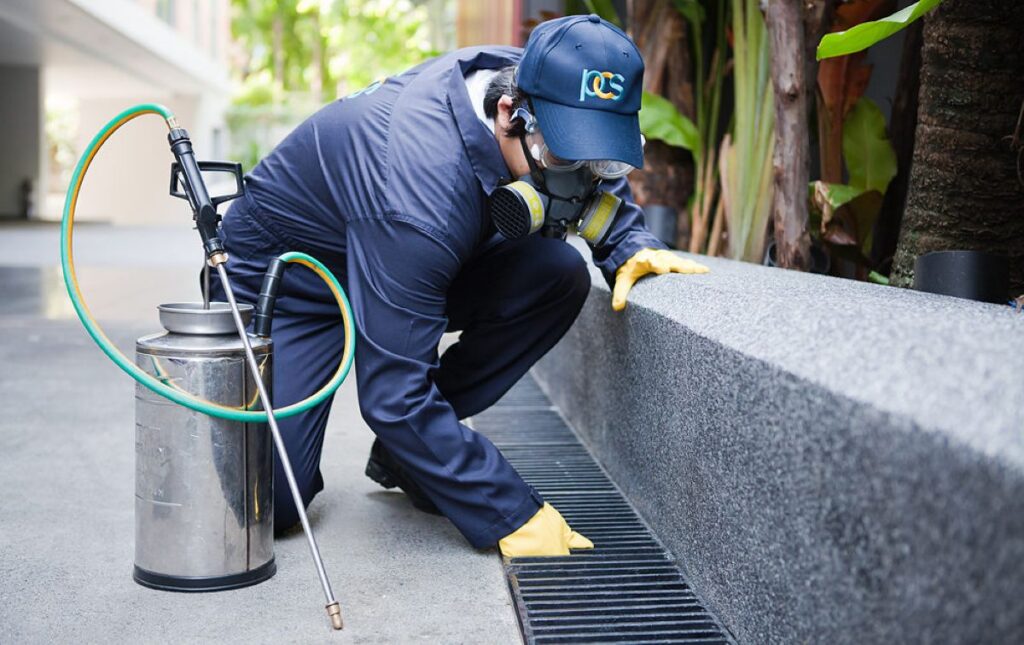
Is pest control only about chemicals?
No. Effective control is often a mix of inspection, monitoring, proofing, habitat reduction, and targeted treatment. Fixing moisture, improving ventilation, trimming vegetation off walls, and storing food correctly can be just as important as any product.
The strongest pest control Blue Mountains outcomes usually come when the household follows a prevention checklist after the technician leaves.
What should they believe instead if they want fewer pest problems?
They should believe that prevention beats reaction, and that local conditions matter. The Blue Mountains climate, bushland interface, and older housing stock can increase pest pressure, so consistent inspections and smart property maintenance are more reliable than quick fixes.
If they want pest control Blue Mountains results that last, the most useful next step is booking an inspection, asking for a clear treatment scope, and following tailored aftercare to reduce the chances of pests returning.